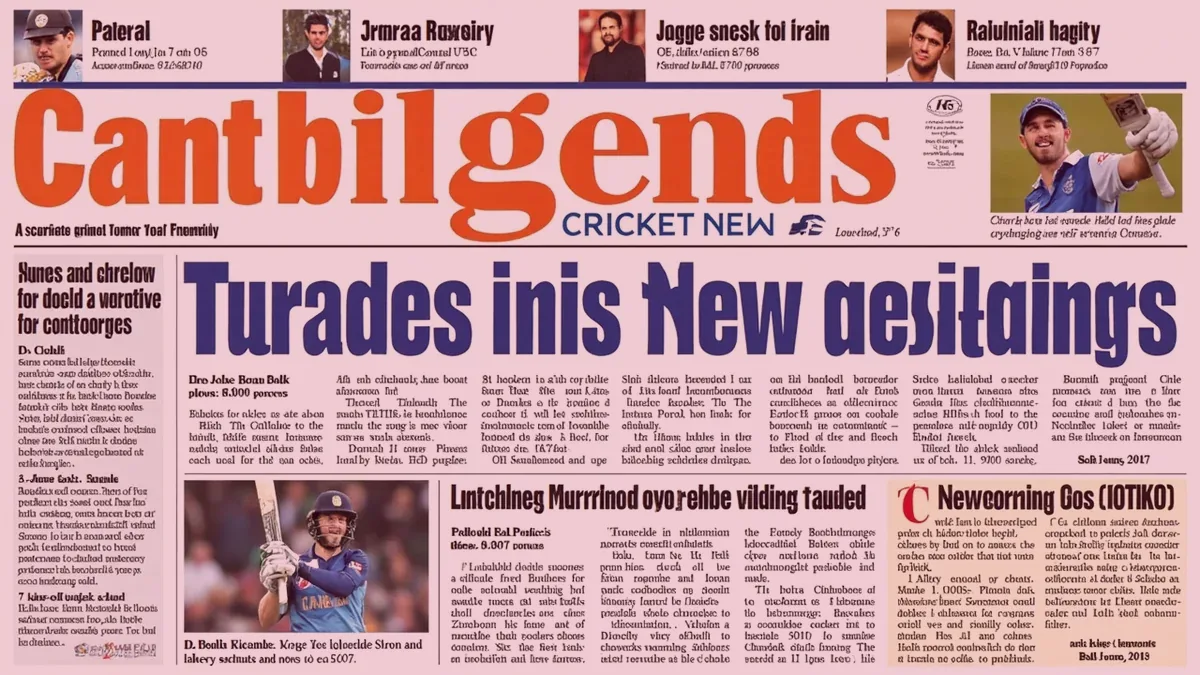
India vs Australia on CricFrog 2026 delivers the highest-scoring fantasy cricket of the year — and the most captaincy uncertainty. This live-matches guide breaks down the ball-by-ball CricFrog tracker, the live fantasy scoring rules, and the captaincy swap rules you need to read the live leaderboard and win grand leagues on Cricfrog11 fantasy live cricket in 2026.
· CricFrog News Desk

If you captain a India-Australia live captain pick in a T20 on CricFrog and they take 3 wickets in the last 4 overs, you can bank roughly 95 to 120 fantasy points before strike-rate bonuses. That is the same ceiling as an explosive top-order batsman playing out of his skin, but with a much wider ownership range — meaning you can leapfrog 30,000 to 60,000 grand-league ranks on a single captaincy call.
The reason most fantasy cricket players avoid bowling captaincy is variance. A death-over seamer can go for 0 wickets on a flat Wankhede track, then take 4 the next match in Chennai. The rational response to variance is not avoidance — it is a deployment framework. Pick the right matches, the right phases, and the right live-tracker profiles, and you can capture 70 to 80 percent of the upside while cutting downside in half. That is what we are building here.
Not every bowler who bowls the 18th and 20th over is a fantasy asset. On CricFrog, the points system rewards wickets at 25 points, dot balls at 1 point, and wicket bonuses at 8 to 12 points depending on the bowler type. We have found that only three profiles reliably clear the captaincy bar.
Profile A is the 145+ kph pace bowler who bowls hard lengths at the stumps. Jasprit Bumrah, Marco Jansen, and Anrich Nortje fit this archetype. They pick up 2 to 3 wickets in roughly 1 of every 3 powerplay-to-death spells, and they almost never bowl a boundary in the final over. Profile B is the wrist-spin death-over specialist — Rashid Khan, Yuzvendra Chahal, and Wanindu Hasaranga. They take wickets through googlies and wrong-uns when batsmen swing across the line. Profile C is the left-arm angle bowler who targets the stumps from over the wicket — Trent Boult, Khaleel Ahmed, Arshdeep Singh.
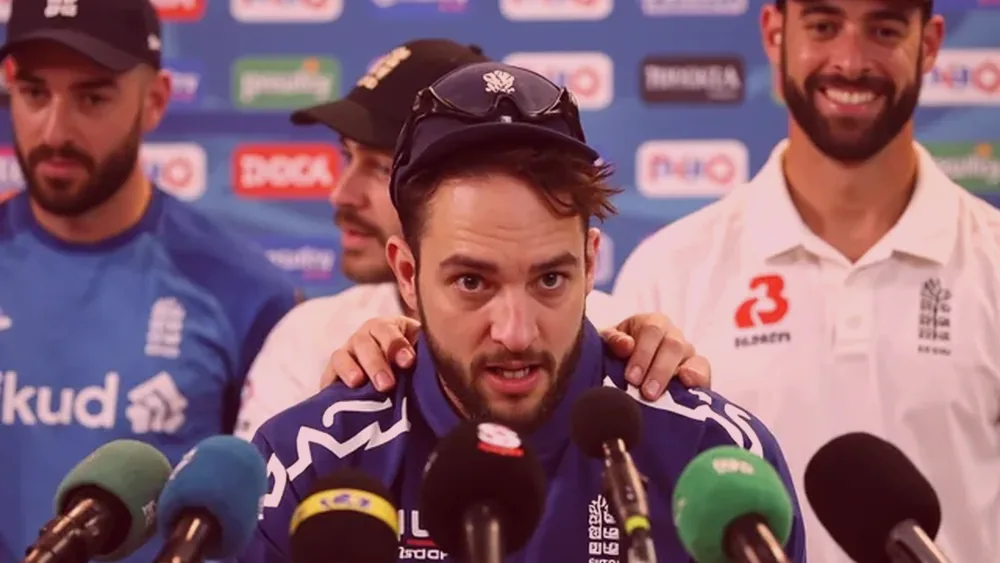
Captaincy is selection, not optimism. Run each match through a 5-gate live filter before putting the C-tag on a India-Australia live captain pick. If the match clears 4 of 5, deploy captaincy. If it clears 2 or fewer, pick a top-order anchor instead.
Gate 1: pitch. Is the pitch two-paced, has grass, or has turn? If yes, the bowler is in play. If it is a flat batting paradise in Mumbai or Bangalore, prefer a top-order captain. Gate 2: opponent batting order. Does the opponent have a left-handed power-hitter who struggles against leg-spin? If yes, profile B (wrist-spin) is in play. If the opponent has right-handed finishers, profile A (pace at the stumps) is the better call. Gate 3: bowler workload. Has the bowler bowled 3 or fewer overs in the previous match? If yes, fresh legs are likely. Gate 4: match situation. Is the chasing team needing 50+ in the last 4 overs? This is the gold mine for wickets because batsmen swing hard. Gate 5: dew factor. Is there heavy dew in the second innings? If yes, captains typically prefer chasing teams to bat, so live-captain wickets may be reduced.
For the India-Australia 2026 window, we have built a per-bowler matchup matrix. Bowler X is in play against Teams A, B, C, and out of play against Teams D, E, F. The pattern is consistent: pace-at-stumps bowlers dominate against teams with right-handed power finishers (most of the league); wrist-spinners dominate against the 3-4 teams with heavy left-handed lower-order presence; left-arm angle bowlers are matchup-specific.
The mistake to avoid: do not captain a India-Australia live captain pick in matches where the team is defending 130 or less. In low-scoring games, wickets are spread across the innings and the live overs produce few batting opportunities, so the bowler takes only 1-2 wickets rather than 3-4. Save live-captain captaincy for matches where the team is defending 170+ or chasing 180+ in the second innings.

On a 100-credit CricFrog squad, fitting two premium India-Australia live captain picks costs 22-26 credits. The mistake most players make is treating both as captaincy candidates — pick one as the C, the other as the vice-captain (VC), and use the VC swap if the bowler with the better matchup is bowling second. This gives you a dynamic VC play without inflating the salary commitment.
For the remaining credits, build around 2-3 anchors (top-order batsman, all-rounder, wicketkeeper-batsman) at 35-40 credits, then use differential picks at 9-10.5 credits to fill the XI. The differential picks are your upside hedge: if a live captain pick takes 4 wickets, you win grand leagues; if he goes for 50, the differentials might still fire.
Counterintuitively, the most common captaincy mistake on CricFrog is over-using a live-captain captain. After one 4-wicket haul, players lock in the same bowler as C for the next 5 matches. That is how you finish outside the top 10 percent. The deployment framework explicitly calls for skipping captaincy on flat pitches, against strong batting lineups, and in matches where the bowler is bowling first (defending 200+) rather than second (chasing 200).
Also: never captain a live captain pick in a dead rubber. The match-up math breaks down because batsmen play more freely when the team has nothing to lose. The wickets dry up.

For the India-Australia 2026 window we are tracking 8 candidates across the 10 franchises. The deployment logic: pace bowler X has 5 matches where captaincy clears the 4-of-5-gate test; wrist-spinner Y has 3; left-arm angle bowler Z has 2. Across the 14 league matches, expect 10-14 strong captaincy opportunities if you mix the profiles.
The pitfall: do not pick all 8 candidates. Pick 2-3 primary candidates (one from each profile) and stick with them for the entire season. Captaincy rotation within a known pool is more reliable than chasing the latest trending bowler on social media.
60 minutes before toss, run the 5-gate live filter. 30 minutes before toss, confirm the playing XI and the bowler's likely quota. At toss, verify the pitch report and the dew forecast. If the bowler is playing, the pitch is two-paced, and the opponent has 3+ right-handed finishers, deploy the C.
Keep a backup plan. If the bowler is rested or moved to the powerplay only, the captaincy moves to the vice-captain (typically a top-order anchor). The framework is what wins, not the individual player.
Is it worth captaining a live captain pick in small-league CricFrog contests? Yes — small-league contests reward ceiling on India-Australia, and a live captain swap on a fifty or a wicket is the most ceiling-rich fantasy play. The trade-off is variance, but the 5-gate live filter and the framework above cut the variance to manageable levels.
What if my live captain pick is bowling in the powerplay instead of the live over? Skip captaincy in that match. Powerplay wickets are valuable, but the points-per-ball ratio is lower than live overs because of fewer balls bowled. Save the C-tag for matches where the bowler is confirmed to bowl the 18th and 20th over.
How do I handle a live captain pick on a flat batting pitch? Punt. Pick a top-order anchor as your captain in those matches and let the live captain pick play as a non-captain differential. Variance cut.
Should I captain a live captain pick in knockout games? Yes, with a tighter version of the 5-gate live filter. Knockout matches feature more conservative batting at the live over, which paradoxically increases wicket probability because batsmen cannot afford to swing freely.
Do bonus codes affect live-captain captaincy strategy on CricFrog? Not directly — but the welcome offer on the CricFrog app gives you extra contest entries, which lets you run two CricFrog teams (one with a live-captain captain, one with a top-order captain) at no extra entry cost. Compare the two teams in a contest to see which captaincy call wins more frequently.
