Where should I verify IPL 2026 auction results?
Use official IPL and franchise announcements first, then cross-check with established cricket news outlets. Do not treat a predicted auction list or an unverified social post as a completed signing.
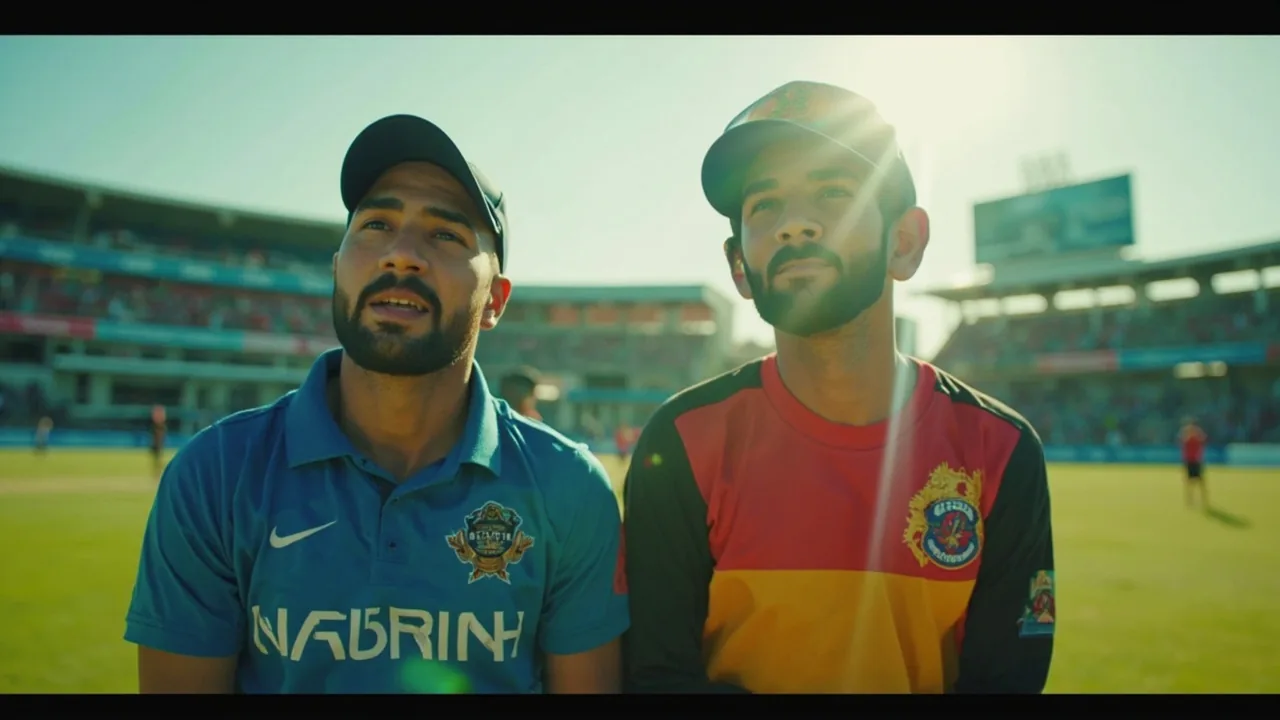
The IPL 2026 mega auction results changed the balance of the league in one fast-moving player market. This CricFrog guide explains how to read the final buys, which squad changes matter most for fantasy cricket, and how to convert auction information into better team-selection decisions without treating rumour as confirmed news.
· CricFrog News Desk
An auction result is not just a list of names and prices. For fantasy cricket, the important question is what changed in each team's likely XI. A top-order batter joining a team with an open vacancy can gain opportunity immediately, while the same player joining a crowded middle order may need several matches before becoming a reliable selection.
Start with three signals: role clarity, route to the playing XI and phase usage. A player who is expected to open, bowl at the death or keep wickets has multiple scoring routes. A specialist competing for one slot has a much wider range of outcomes. The CricFrog fantasy angle is therefore less about the headline price and more about whether the auction created a stable role.
Readers often see auction summaries repeated across social feeds before the underlying information is complete. Treat a player as confirmed only when the IPL, franchise or a reliable official match centre has published the signing, or when multiple reputable reports agree on the same completed transaction. A mock list, predicted retention table or unverified social post should not be presented as a final auction result.
For a CricFrog research workflow, record the source, the time it was checked and the exact wording used. Then keep a separate column for interpretation: expected batting position, projected overs and selection risk. This separation prevents a plausible fantasy assumption from being mistaken for an official squad fact. Where an official result is still pending, label the item as a projection rather than filling the gap with an invented transaction.

For each franchise, ask whether the auction fixed a weakness, increased competition or simply added depth. The first question is who owns the new-ball overs and who owns the death overs. The second is whether a new batter changes the top six or only provides bench cover. The third is whether a wicketkeeper or all-rounder creates an extra fantasy route. The fourth is whether the buy affects an existing player's ownership and expected workload.
A team that buys two specialist fast bowlers may improve its real-world depth but reduce certainty for fantasy selection. A team that adds a wicketkeeper-batter who is expected to bat in the top four may create a much cleaner points profile. Use the auction as a starting point, then wait for playing-XI evidence and preseason role information. This is especially important when an auction summary lists a player without stating whether the transaction was completed or only discussed.
High-profile batting buys naturally attract fantasy attention, but price is not a scoring category. A batter's selection value comes from expected deliveries, batting position, boundary profile and matchup. Opening batters generally have more time to build a score; finishers may have fewer balls but can produce high strike-rate and bonus-point bursts.
When a new batter joins a team, compare the projected top seven with the previous season's usage. If the player moves from number five to an opening role, the change is meaningful. If the player remains behind two established internationals, the auction headline may not translate into immediate fantasy value. CricFrog users should track position in warm-up games and the first confirmed team sheets before changing their core picks.
Bowling value depends heavily on when the overs are used. A powerplay bowler can take wickets against attacking openers; a death bowler has two high-risk overs where wickets and runs arrive together; a middle-overs spinner may benefit from matchups and a larger field. Auction results matter when they change that phase allocation.
Do not assume a new bowler will automatically receive four overs. Check whether the captain already relies on two all-rounders, whether the venue favours pace or spin and whether the player has a defined role in recent matches. For CricFrog contests, a bowler with two predictable phases can be a stronger vice-captain option than a more famous player with uncertain usage.
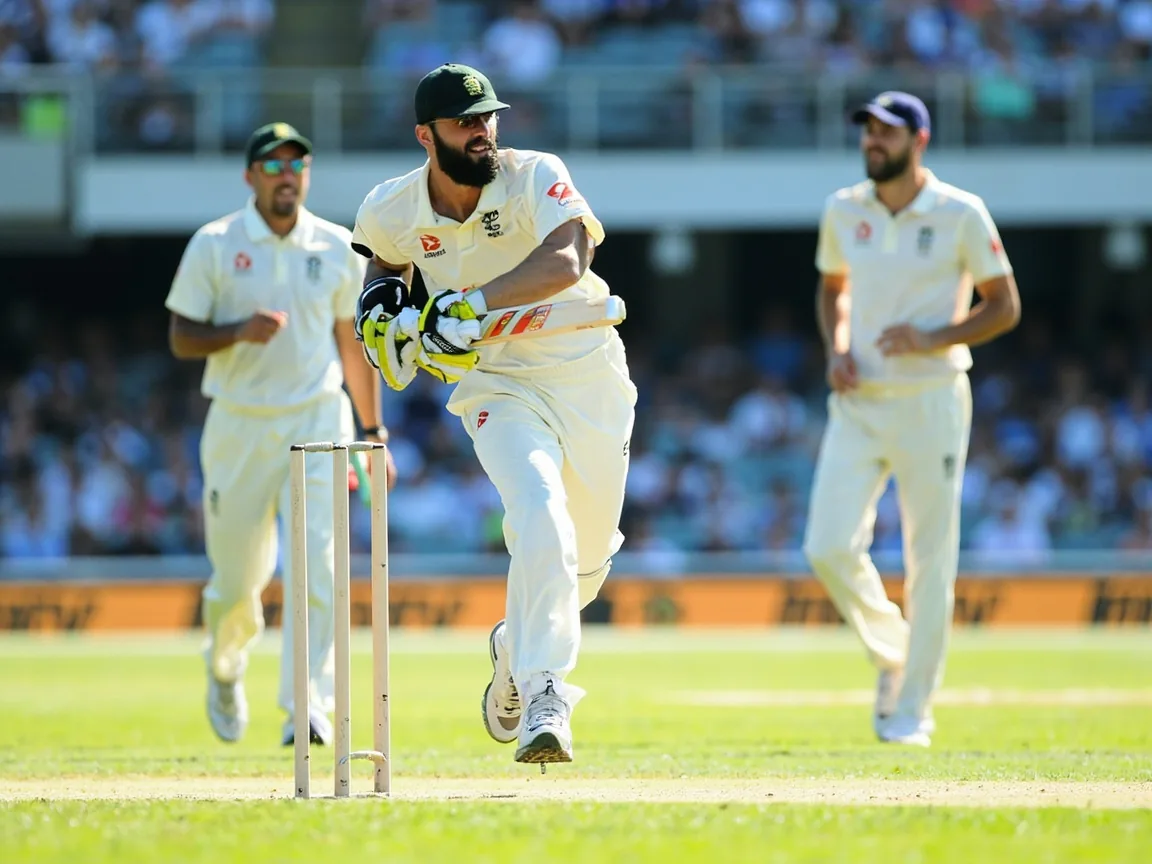
All-rounders and wicketkeepers can become the biggest fantasy beneficiaries of an auction because their floor is not tied to one skill. But the label alone is not enough. An all-rounder who bowls one over and bats at number eight is different from one who bats in the top six and completes a full spell. A wicketkeeper who bats at the top has a different ceiling from one who bats at number seven.
Build a role matrix with batting position, likely overs, keeping status and fielding involvement. If at least two of those routes are stable, the player deserves a shortlist place. If all four are uncertain, wait for evidence. This avoids overreacting to a new contract before the team reveals its tactical plan, and it gives you a repeatable way to compare auction buys across franchises.
Captaincy should follow opportunity and ceiling, not the biggest auction fee. Use the auction to identify players whose roles have expanded: a new opener, a death bowler promoted into the first-choice group, or an all-rounder trusted with both phases. Then test that role against venue, opposition and confirmed availability.
For small contests, a reliable top-order batter or four-over bowler may be the safer captaincy base. In larger contests, a player whose auction move creates a new role can be a useful differential, especially when the public has not yet adjusted ownership. The key is to label the pick as a role-based hypothesis and review it after the toss. A high auction price can support the case, but it cannot replace evidence of opportunity.
Before locking a CricFrog fantasy team, confirm the player is in the squad, check the announced XI at the toss, review the venue's recent scoring pattern and compare the expected role with the auction narrative. Remove any player whose opportunity has disappeared because a senior player returned or a tactical combination changed.
Finally, compare your captain and vice-captain against at least two alternatives. Write one reason for each selection and one reason it could fail. This quick audit makes it easier to avoid recency bias after a dramatic auction headline and keeps the focus on confirmed cricket information.
First, verify the transaction from an official or clearly attributed source. Second, map the player's likely role rather than copying a headline price. Third, estimate opportunity through batting position, overs, keeping and fielding. Fourth, compare that opportunity with venue and opposition. Fifth, confirm the XI and toss information, then select a captain and vice-captain whose paths to points are visible.
This process keeps auction coverage useful without pretending that early projections are guaranteed. It also gives CricFrog readers a framework they can reuse for trades, replacements and late team changes throughout the IPL season.
Use official IPL and franchise announcements first, then cross-check with established cricket news outlets. Do not treat a predicted auction list or an unverified social post as a completed signing.
No. Fantasy value depends on playing time, batting position, bowling phases, venue and matchup. A lower-profile player with a secure role can outscore a headline signing with uncertain selection.
Update your research immediately, but wait for role and playing-XI confirmation before making aggressive changes. Preseason reports and the toss often reveal whether an expected role is real.
Only when both skills are likely to be used. Check batting position and expected overs rather than relying on the all-rounder label alone.
Prefer players with a stable, high-volume role for smaller contests. In large contests, consider a new-role differential only when the player is expected to bat or bowl in a phase that creates genuine upside.