
Fantasy archive · ICC Women’s T20 World Cup 2026
ENG vs IRE Dream11 prediction retrospective: the Match 8 team sheet
On 16 June 2026, England Women and Ireland Women reached Match 8 at Southampton with sharply different opening-round signals. The surviving pre-match record still shows how a two-team fantasy build could have been assembled before the toss.
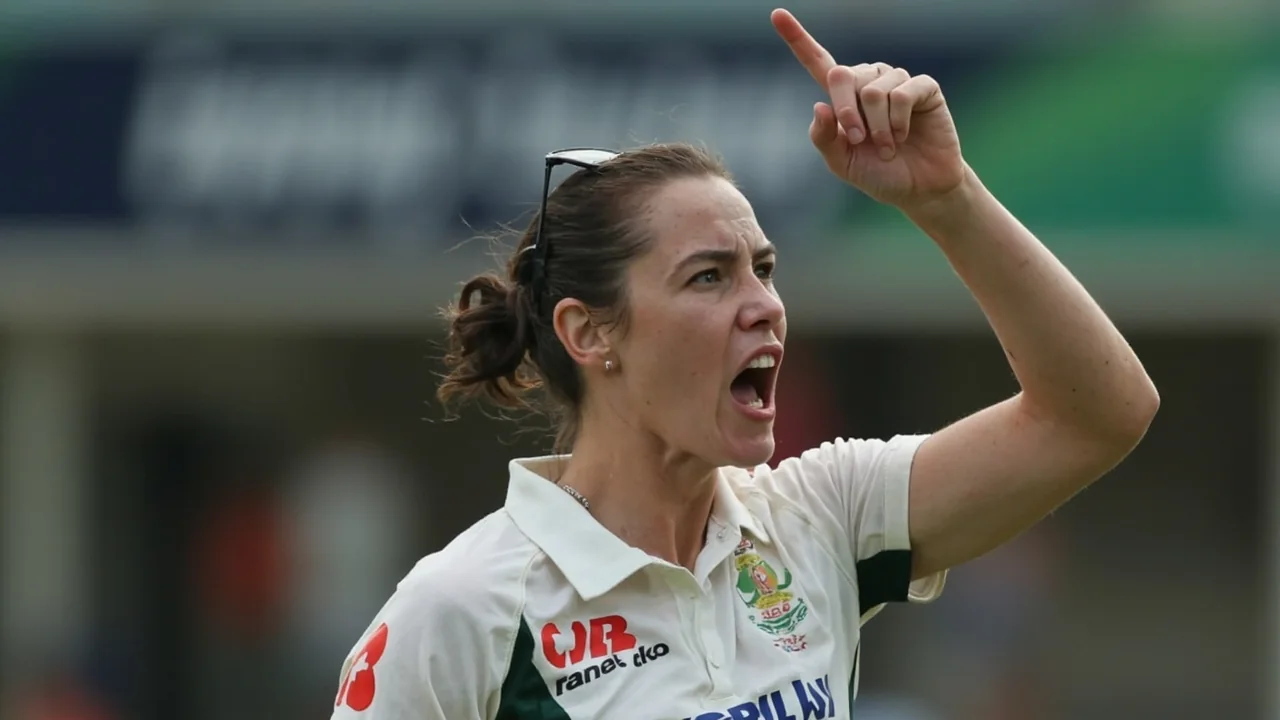
England Women were due to face Ireland Women in the eighth match of the ICC Women’s T20 World Cup 2026 at the Hampshire Bowl in Southampton on 16 June. The scheduled start was 6:30 PM local time and 11:00 PM IST. A pre-match fantasy report by Cricket Addictor supplied two suggested elevens, a captaincy shortlist, predicted playing XIs and a concise venue assessment.
The match is now part of the archive, so every recommendation below is presented in its original pre-match setting. It is not a live team update and it does not claim that a suggested player was later confirmed at the toss. Its value is narrower and more practical: the report preserved enough detail to reconstruct how a fantasy entrant could have balanced England’s stronger opening form against Ireland’s less obvious all-round options.
Why England’s opening form drove the build
England entered the fixture at the top of Group B with a net run rate of +4.350 after their opening match. That standing mattered more than a generic favourite tag because it came with three named batting returns. Danni Wyatt-Hodge had struck an unbeaten 105 from 62 balls, becoming only the second England women’s player to make a T20 World Cup century. Amy Jones had scored 53 from 38 deliveries for her seventh T20I half-century, while Nat Sciver-Brunt had finished unbeaten on 46 from 22.
Those innings created three different fantasy routes. Wyatt-Hodge supplied recent top-order ceiling. Jones combined wicketkeeping eligibility with a proven batting return. Sciver-Brunt brought batting form into the all-rounder slot, where a player can remain useful even when only one discipline produces points. A team built around that trio was not simply stacking the stronger side; it was covering three roster categories with players whose most recent output was recorded in the source.
Ireland’s opening position was less secure. A 40-run defeat against Scotland left the side needing a response, and the named batting evidence was concentrated in Orla Prendergast’s 33. That did not erase Ireland from the selection pool. It changed the role of its picks. England names formed the core, while Ireland’s all-rounders and keeper-batter choices were used to preserve balance and create alternatives to the most obvious combination.
The source’s captain and vice-captain hierarchy
The detailed source made Nat Sciver-Brunt and Amy Jones its captain choices. Danni Wyatt-Hodge and Orla Prendergast were placed in the vice-captain tier. That hierarchy is important because it differs from treating the century-maker as the automatic captain. Sciver-Brunt occupied the all-rounder category and Jones held the wicketkeeping route, giving each more than one plausible way to contribute, while Wyatt-Hodge’s case was tied primarily to batting.
Team 1 followed the safer all-rounder route: Sciver-Brunt carried the captain marker and Wyatt-Hodge the vice-captain marker. Team 2 moved the captaincy to Jones and used Prendergast as vice-captain. The two combinations therefore tested distinct ideas instead of repeating the same multiplier pair with minor player changes.
Wyatt-Hodge still remained a premium selection. Her 105 not out was the largest individual form signal in the record, and it established a high ceiling. Prendergast’s 33 was smaller but came with all-rounder classification, which justified her use as an Ireland differential. The source’s arrangement can be read as a separation between selection priority and multiplier stability: Wyatt-Hodge was essential to both teams, while the captain slot leaned toward players with broader scoring access.
Two suggested ENG vs IRE Dream11 team shapes
The first combination used two wicketkeepers, one specialist batter, five all-rounders and three bowlers. Its listed players were Amy Jones and Amy Hunter as keepers; Wyatt-Hodge as the specialist batter; Sciver-Brunt, Charlie Dean, Prendergast, Arlene Kelly and Freya Kemp as all-rounders; and Sophie Ecclestone, Lauren Bell and Ava Canning as bowlers.
The second combination retained Jones, Hunter, Wyatt-Hodge, Sciver-Brunt, Prendergast, Kemp, Ecclestone, Bell and Canning. It brought in Gaby Lewis and Linsey Smith, while Charlie Dean and Arlene Kelly dropped out. The structural change reduced the all-rounder count by one, added another top-order batting option through Lewis and introduced Smith’s left-arm spin.
Suggested team 1
Keepers: Amy Jones, Amy Hunter
Batter: Danni Wyatt-Hodge (vice-captain)
All-rounders: Nat Sciver-Brunt (captain), Charlie Dean, Orla Prendergast, Arlene Kelly, Freya Kemp
Bowlers: Sophie Ecclestone, Lauren Bell, Ava Canning
Suggested team 2
Keepers: Amy Jones (captain), Amy Hunter
Batter: Danni Wyatt-Hodge
All-rounders: Nat Sciver-Brunt, Gaby Lewis, Orla Prendergast (vice-captain), Freya Kemp
Bowlers: Sophie Ecclestone, Linsey Smith, Lauren Bell, Ava Canning
Both builds used a 7–4 split in England’s favour. That was consistent with the teams’ opening results without excluding Ireland entirely. Amy Hunter and Ava Canning appeared in both suggestions, while Prendergast’s dual role made her the constant Ireland all-rounder. The shared England spine was Jones, Wyatt-Hodge, Sciver-Brunt, Kemp, Ecclestone and Bell.
What the Southampton pitch report implied
The published venue table described a batting-friendly surface, better suited to pace, with an average first-innings score of 150. The forecast was cloudy at 18°C. It also listed a 57% winning rate for chasing teams. These were pre-match indicators rather than guarantees, but they aligned with the selection pattern: top-order batting remained prominent, and Lauren Bell plus Ava Canning gave both suggested teams pace exposure.
A batting-friendly label did not make every batter equally attractive. Recent role and form still separated the choices. Wyatt-Hodge, Jones and Sciver-Brunt had concrete opening-match returns. Lewis was identified as Ireland’s captain and an important top-order player, but no equivalent score was attached to her in the source. That is why she appeared in the alternative combination rather than both.
The 57% chasing figure was modest, not overwhelming. It supported checking the toss but did not justify replacing the core before confirmed XIs arrived. Cloud cover and a pace-friendly description made the new-ball and seam options relevant, yet the average score of 150 kept the batting ceiling in view. The sensible pre-toss reading was balanced rather than extreme: preserve top-order runs, retain all-rounder depth and leave enough bowling places for wicket-taking pace and frontline spin.
Predicted playing XIs recorded before the toss
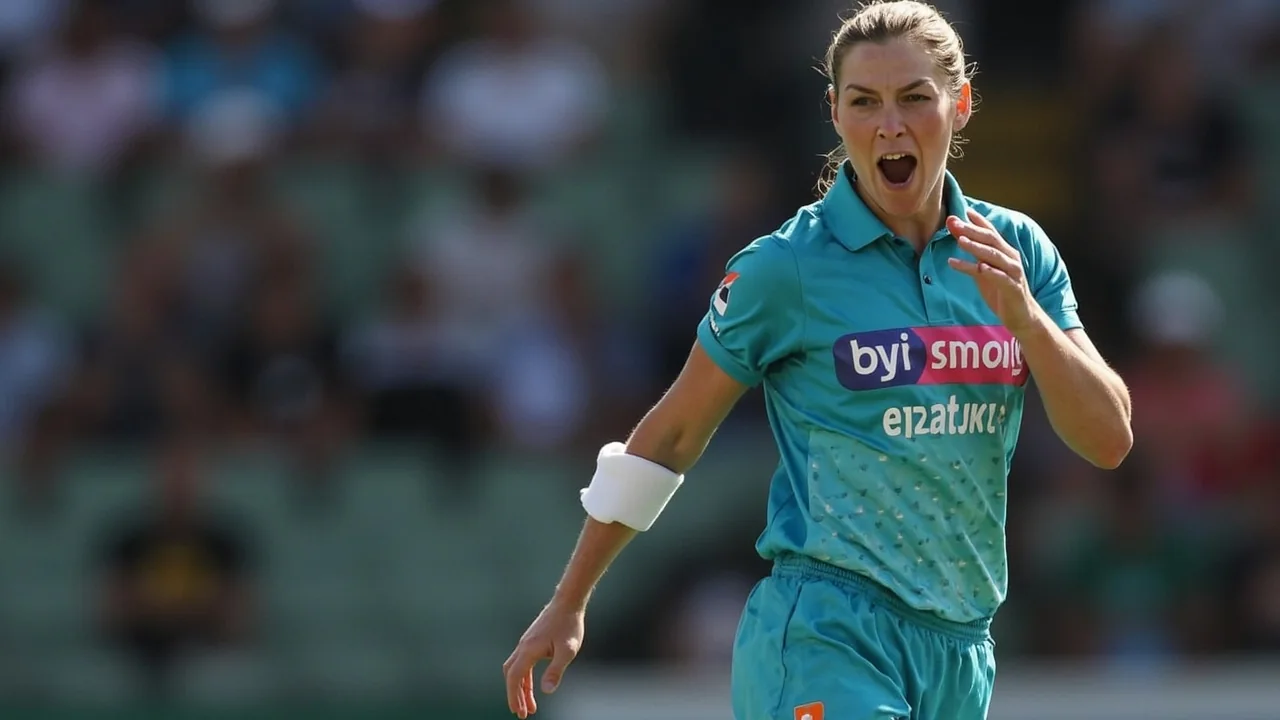
England’s predicted XI was Amy Jones, Danni Wyatt-Hodge, Nat Sciver-Brunt, Alice Capsey, Heather Knight, Freya Kemp, Danielle Gibson, Charlie Dean, Sophie Ecclestone, Linsey Smith and Lauren Bell. Ireland’s predicted XI was Alana Dalzell, Amy Hunter, Gaby Lewis, Orla Prendergast, Rebecca Stokell, Leah Paul, Alice Tector, Arlene Kelly, Ava Canning, Cara Murray and Aimee Maguire.
The word predicted is essential. The source did not present those names as toss-confirmed teams, and its visible body did not supply a separate verified injury bulletin. A responsible historical reconstruction should not turn an absence of reported injury detail into a claim that every player was fit. The only defensible position is that final participation still required confirmation at the toss.
That limitation also explains the two players placed in the avoid table: Laura Delany and Laura Filler were shown with no listed Dream11 credits and no points from the previous match. The source did not provide enough accompanying detail to infer an injury, omission reason or later status. They were weak selections in that pre-match fantasy record because the necessary platform data was absent, not because a medical update had been established.
How the role distribution created floor and upside
The reported Dream11 combination was 2-1-5-3: two keepers, one specialist batter, five all-rounders and three bowlers. That unusual shape pushed role coverage ahead of conventional batting depth. Jones and Hunter covered the wicketkeeping slots. The all-rounder group carried much of the lineup’s flexibility, while Ecclestone, Bell and Canning formed a three-bowler base.
Team 1 was the denser all-rounder build. Sciver-Brunt, Dean, Prendergast, Kelly and Kemp supplied five possible paths to points, although the source’s strongest individual evidence still belonged to Sciver-Brunt’s batting. Team 2 exchanged two of those names for Lewis and Smith, producing a clearer top-order differential and a left-arm spin punt.
Linsey Smith entered the source as a budget choice after figures of 1/24 against Sri Lanka in a warm-up context. That is a thinner signal than a tournament innings, so her place in Team 2 rather than both teams was proportionate. The same report labelled Smith and Lewis as punt picks. In other words, it separated stable core selections from lower-certainty alternatives rather than presenting all eleven players as equal.
What the historical matchup added
The head-to-head table listed four England wins and one Ireland win. Combined with England’s +4.350 net run rate and Ireland’s 40-run opening defeat, that record supported the 7–4 team split. It did not remove Ireland’s best roles from consideration. Prendergast appeared in both teams, Hunter and Canning were retained, and Lewis entered the second version.
This is the clearest distinction in the pre-match brief. Team strength influenced how many players came from each side, while fantasy roles influenced which minority-side players survived the cut. Ireland’s selected names were not distributed randomly across the XI. They came from wicketkeeping, all-rounder, top-order and bowling positions that could score without Ireland necessarily controlling the entire match.
The selection lesson that remains useful
The strongest part of the archived ENG vs IRE Dream11 prediction was its willingness to offer two genuinely different multiplier plans. One centred Sciver-Brunt’s all-rounder floor and Wyatt-Hodge’s batting ceiling. The other moved captaincy to Jones and made Prendergast the vice-captain differential. Both retained the same evidence-backed England core, but they did not pretend that one combination was the only rational team.
The weakest part was the limited late-news record. Predicted XIs were supplied, yet no separate verified injury update appeared in the visible body and no toss confirmation was possible at publication. Anyone using such a brief live would still have needed to confirm the final elevens. That is not a minor technicality: a strong fantasy structure fails immediately if one selected player is absent.
For current match previews, player form, captain picks, pitch notes and confirmed lineup updates, explore Fantasy Cricket.